
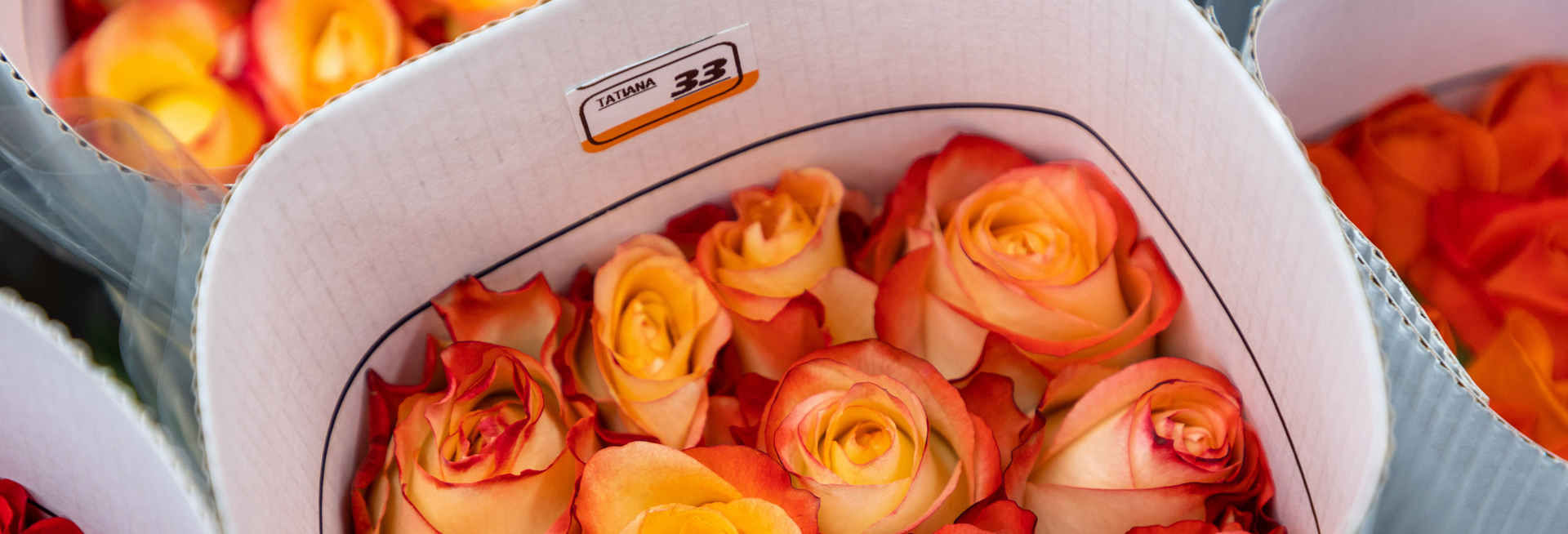

Red carnations and roses in Victory Day (May 9) flower programs
Every year, buyers serving markets that observe Victory Day (May 9) face the same question: which flowers should they stock? Demand differs from the March 8 season because customers often look for flowers with a specific commemorative meaning.
In these regional markets, flowers are used to express remembrance and gratitude. Wholesalers should understand that context when planning their selection. Ecualand helps professional buyers source Ecuadorian flowers for seasonal demand.

What sells first in regional May 9 markets
Why May 9 is a distinct seasonal occasion for the flower trade
Unlike the broad color palette associated with International Women’s Day on March 8 in many regional markets, Victory Day (May 9) demand often centers on red flowers. The exact mix still varies by country, city, and event.
Red carries historical and commemorative associations across many post-Soviet markets. Customers may therefore select red carnations or dark red roses for remembrance and formal ceremonies. Symbolism is sensitive and should be described without political assumptions about every buyer.
For wholesalers, the lesson is to forecast from local orders rather than transfer a general seasonal selection unchanged. Secure the core red program first, then add white or other colors where memorial designers and retailers have confirmed demand.
Red carnations: a traditional May 9 choice
Historical context
The red carnation had political and memorial associations in parts of Europe before 1945, including use by labor and socialist movements. In the Soviet period it developed a distinct role in public remembrance and Victory Day imagery.
After the Second World War, carnations were widely available and became familiar in visits to veterans and memorials. Over time, cards, poems, public ceremonies, and retail displays reinforced the flower’s visual association with Victory Day (May 9).
What the red carnation can communicate
A customer choosing red carnations on May 9 may be responding to several overlapping associations.
One is remembrance of wartime loss. The red color can represent sacrifice in commemorative design, although retailers should avoid imposing a single interpretation on every customer or community.
Another is durability. Carnations are valued in the cut-flower trade for practical handling and vase performance, but no flower should be described as thriving without water or temperature care. Provide proper conditioning instructions and a supported vase-life range.
A third is recognition: the ruffled flower has become visually familiar in May 9 ceremonies. Comparisons with medals or military insignia are subjective and should not be presented as established botanical symbolism.
Selecting carnations through Ecualand
We source carnations from partner growers in Ecuador and Colombia. Compare each offer by cultivar, stem length, grade, bloom stage, bunch size, and intended use rather than assuming that one origin always has longer or stronger stems than another.
Petal texture, bloom size, and overall presentation vary by cultivar and lot. Request current photos and specifications, and evaluate landed cost against the actual grade instead of making a general premium claim.
Red roses: a premium alternative for formal arrangements
When the brief calls for roses
Red roses are often used less extensively than carnations in May 9 programs but can suit formal arrangements and higher-specification retail orders. Commercial planning should be based on confirmed demand, not a promise of maximum margin or status.
They may appear in family tributes, official presentations, memorial wreaths, or delegation arrangements. Local practices differ, so buyers should confirm the intended format and recipient rather than rely on a single narrative.
Red-rose symbolism in a May 9 context
Red roses can communicate respect as well as affection. In a Victory Day (May 9) setting, designers may use them to create a more formal expression of remembrance, but their meaning is not fixed or universal.
A closed, high-centered bloom creates a disciplined visual line in formal work. Any symbolic interpretation should be chosen by the designer for the intended audience and occasion.
Retailers can present roses as a distinct design choice alongside carnations, explaining the cultivar, stem length, bloom size, and care. That information is more useful than telling customers how they should feel.
Why buyers consider Ecuadorian roses
Ecuadorian farms offer many export rose programs, including long stems and substantial blooms in selected grades. Kenya and the Netherlands also produce diverse, high-quality roses, so compare the actual cultivar, grade, route, and lot rather than ranking origins categorically.
Vase performance depends on cultivar, farm, cut stage, cold-chain history, and care after receipt. Do not promise two weeks or claim that a rose cannot fail; request technical guidance, run trials, and give the retailer appropriate conditioning instructions.
Filler flowers and foliage for complete designs
Even when carnations and roses form the core program, recipes may also require filler flowers and foliage. Ask retailers for intended bouquet recipes so supporting quantities are planned rather than added on assumption.
White gypsophila can provide contrast, while asparagus fern or ruscus adds structure and volume. The St. George ribbon is culturally and politically sensitive; use it only where the customer and target market consider it appropriate.
Ecualand can source red roses and carnations together with other fresh-cut flowers. Consolidation options and minimums depend on the farms, route, and packing program, so confirm them in the quote.
Victory Day (May 9) combines commerce with local commemorative traditions. Buyers in relevant markets often need red carnations for larger programs and red roses for selected formal designs. Ecualand can help specify and source those flowers with lot-specific quality checks and route terms.
Send us your requirements for a tailored year-round supply proposal
What clients say
Moscow Flowers
Floral studio
Distributor
KazakhstanChoose a consistent supply of premium Ecuadorian roses through farm-direct sourcing.
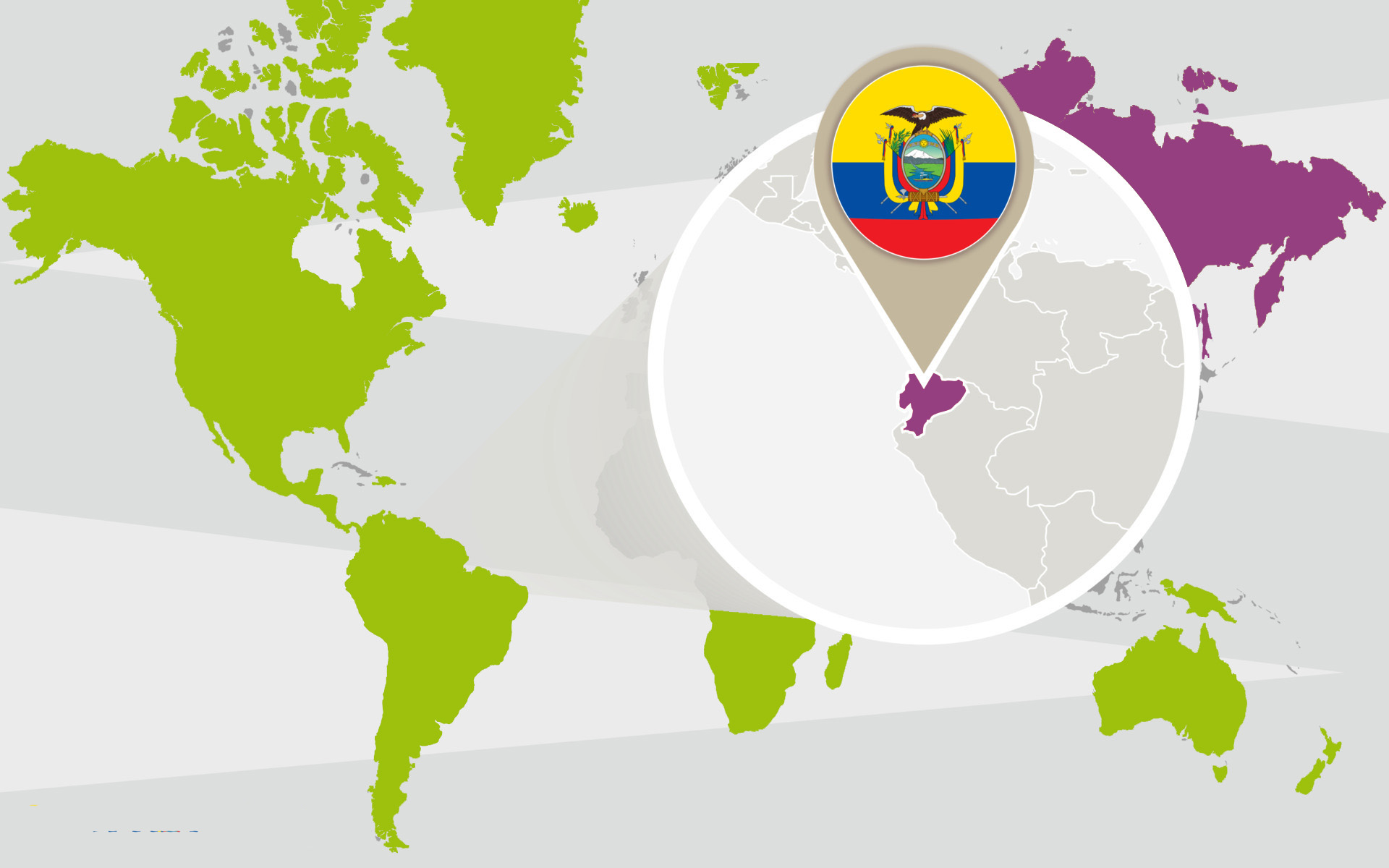
Shipping destinations
Ecualand coordinates wholesale flower sourcing and logistics for its clients.

Russia

Uzbekistan

Kyrgyzstan

Kazakhstan

Tajikistan

Guatemala

Georgia

Canada

United States


