


Victory Day (May 9): a one-month wholesale planning guide for red flowers
Every year, buyers serving markets that observe Victory Day (May 9) face the same question: which flowers should they stock? Demand differs from the March 8 season because customers often look for flowers with a specific commemorative meaning.
In these regional markets, flowers are used to express remembrance and gratitude. Wholesalers should understand that context when planning their selection. Ecualand helps professional buyers source Ecuadorian flowers for seasonal demand.
Demand for May 9 flowers can accelerate very late in the season. A quiet warehouse on May 6 may be followed by a shortage of red carnations on May 8, when emergency purchases are expensive and difficult to coordinate.
The practical response is not simply to buy more red flowers. It is to forecast by customer segment, confirm logistics early, and understand how purchasing concentrates in the final days before Victory Day (May 9).

How to plan May 9 volumes without shortages or unwanted substitutions
Ecualand has supported buyers through multiple May 9 seasons. This guide outlines a measured approach to demand planning, selection, and logistics for markets where Victory Day (May 9) is observed.
Inventory forecasting: balance availability and waste
Why last year’s figures are not enough
Adding a fixed percentage to last year’s sales is rarely sufficient. The customer base, local events, retail competition, and the number and scale of commemorative programs may all have changed.
A useful forecast combines at least three variables.
First, compare the number and profile of active retail customers with the previous year. Newly acquired stores can materially change demand even when broader demographic trends point in another direction.
Second, monitor the weather forecast. Favorable weather can support outdoor commemorative events, while cold rain may reduce foot traffic. Treat weather as an adjustment, not as the sole basis for an order.
Third, consider the day of the week. A Friday or Saturday date may spread preparation and event visits differently from a midweek date. Use local sales history to quantify the effect.
Balancing carnations and roses
An incorrect balance between carnations and roses is a common source of excess inventory. Buyers sometimes favor roses because of their price point, even when local May 9 demand is concentrated in carnations.
One historical planning mix cited for this market is 60% red carnations, 25% red roses, and 15% red gerberas, foliage, and gypsophila. Treat these figures as a starting point only and validate them against your own orders.
Carnations are often selected for public commemorations and larger group purchases, while roses serve more formal or premium arrangements. The right mix depends on your customer base and local traditions.
Why a contingency reserve can help
No forecast is exact. A large late corporate order, a change in an event program, or an unexpected group visit can shift demand. Define in advance which customer commitments must be protected.
Some wholesalers hold a reserve above confirmed orders. The appropriate percentage should reflect shelf life, storage capacity, disposal risk, and local sales history; it should not be treated as a guaranteed source of profit.
A focused selection for Victory Day (May 9)
Use local demand data when choosing colors
Red is traditionally prominent in many May 9 markets. Other colors may serve specific arrangements, but demand is not uniform: white may be used in memorial work, while yellow, pink, orange, and peach may have a smaller role. Confirm the brief with local retailers rather than relying on universal color assumptions.
A broad color range can create avoidable leftovers when customers arrive with a specific commemorative request. Secure the core red selection first, then add other colors only where preorders or reliable local history support them.
Options beyond carnations and roses
Red gerberas can add visual impact to venue, school, or corporate arrangements. Compare current farm pricing and pack specifications before presenting them as a lower-cost substitute.
Red alstroemeria offers a different shape and works well in compact mixed arrangements. Confirm the chosen variety, stem length, and opening stage with the buyer.
Foliage and filler flowers complete the selection. Ruscus, asparagus fern, eucalyptus, and gypsophila are commonly ordered in bunches; plan quantities alongside the recipes your retail customers expect to use.
Logistics: build in time for receiving and distribution
Set an arrival deadline before peak retail days
For a May 9 program, many buyers aim to have flowers in their warehouse by May 6. Confirm the feasible arrival date for your route and keep time for receiving, conditioning, sorting, and local distribution.
May 7 and 8 can be the busiest sales days in these markets. A shipment arriving on May 8 leaves little time for inspection and preparation, increasing operational risk.
Seasonal congestion may affect air cargo, customs clearance, and local transport. Build a realistic buffer into the schedule and agree on escalation contacts before the shipment departs.
How Ecualand coordinates the supply chain
The process begins with partner farms in Ecuador. Flowers are harvested at the cut stage specified for the order, taking the route and expected conditioning time into account.
After precooling, the flowers are packed for airfreight. Routing and handling points depend on the destination; buyers should confirm the current itinerary rather than assume a nonstop flight.
Ecualand coordinates with logistics partners and customs brokers. Final-mile and temperature-controlled transport arrangements vary by destination and should be confirmed in the quote.
Transit time from harvest to the buyer’s warehouse depends on the route, flight schedule, customs clearance, and local delivery. Request a route-specific timeline for your order.
Prepare a contingency plan
Fog, flight disruption, customs delays, or an inspection can affect even a well-planned shipment. Discuss feasible alternative flights and hubs in advance; rerouting is subject to availability and import requirements.
Pricing for a sensitive seasonal market
Keep carnation pricing transparent
Carnations have a strong commemorative role on May 9 and are often purchased by schools, community organizations, and individual visitors. Transparent pricing and clear units help retailers maintain trust during peak demand.
Set prices from actual landed cost, expected waste, handling, and your commercial policy. A universal markup is not appropriate across markets, so avoid fixed percentage claims without current cost data.
Position premium roses clearly
Premium roses serve a different purchase occasion from carnations. Present the variety, stem length, bloom size, grade, and packaging clearly so buyers understand the basis of the price.
Price roses from verified costs and market conditions rather than a promised markup. A premium position should come from a clear specification and consistent handling, not from price alone.
Ready-to-sell sets and packaging
Retailers may offer coordinated packaging, cards, or ribbon with small carnation sets. Plan these materials early and show the final price clearly instead of relying on pressure at the point of sale.
The St. George ribbon is used in some May 9 markets, but it is a culturally and politically sensitive symbol. Use it only where appropriate and approved for the target market. Cards and red kraft paper are neutral alternatives for specific retail briefs.
Prepared display examples can help customers choose quickly: for example, a five-carnation set with a card, or three roses in kraft paper. Retailers should adapt the format and symbolism to local expectations.
Planning for Victory Day (May 9) generally starts several weeks ahead. Forecast with local data, confirm the intended mix, leave time for logistics, and document the pricing basis. Ecualand can help source the selected varieties and coordinate route-specific shipping, subject to availability and confirmed trade terms.
Send us your requirements for a tailored year-round supply proposal

What clients say

Moscow Flowers
Floral studio
Distributor
KazakhstanChoose a consistent supply of premium Ecuadorian roses through farm-direct sourcing.
Shipping destinations
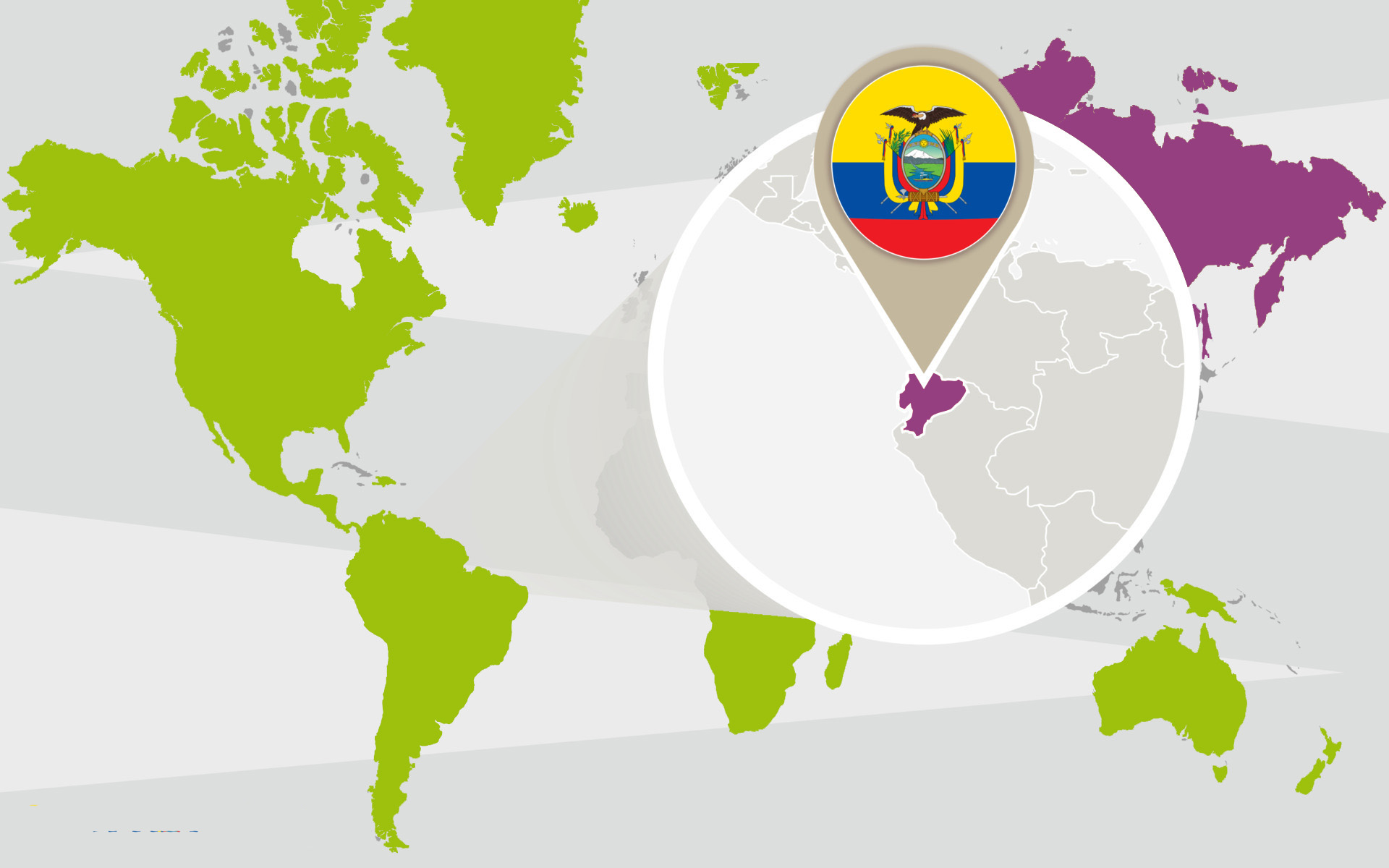
Ecualand coordinates wholesale flower sourcing and logistics for its clients.

Russia

Uzbekistan

Kyrgyzstan

Kazakhstan

Tajikistan

Guatemala

Georgia

Canada

United States


