


Choosing a wholesale rose supplier for Victory Day (May 9)
Finding a flower supplier is easy; assessing whether that supplier can perform during a seasonal peak is harder. Rushed cooling, substitutions, mixed varieties, and late dispatch can all affect the order.
When disruption occurs, unclear communication and refund terms leave the buyer exposed just before the sales window. The safeguards need to be agreed before payment.

Check the agreement, inspection photos, and references before ordering May 9 roses
This Ecualand guide explains how professional buyers can evaluate a potential supplier. The same criteria apply to roses, carnations, seasonal flowers, tropical flowers, and other fresh-cut products.
Start with verified country of origin
What origin tells you—and what it does not
Country of origin is an important traceability field, but it is not a complete quality grade. Variety, farm, harvest stage, postharvest treatment, packing, and cold-chain performance all affect the flower.
Ecuador’s high-altitude growing regions receive strong, relatively consistent equatorial light and have cool nights. These conditions can support long stems, substantial blooms, and saturated color, depending on the cultivar and farm practices.
Do not treat origin alone as a guarantee or use it to dismiss roses from Kenya, Colombia, the Netherlands, or other origins. Compare the actual specification, inspection evidence, handling plan, and route for each order.
How to verify Ecuadorian origin
Supply chains may include auctions, consolidators, and repacking points. Ask for traceability to the named grower and documents that match the shipment rather than relying on a verbal claim.
Stem straightness is a grade characteristic, not proof of country of origin. Inspect it against the agreed variety and grade specification; natural variation should be defined in the acceptance criteria.
Stem thickness also varies by cultivar, length, and growing conditions. Record the required grade or sample measurements instead of trying to identify origin by feel.
Farm-labeled boxes and lot references improve traceability. Unmarked or relabeled packaging deserves clarification, but a box by itself is not conclusive evidence of origin.
Next, assess selection and product knowledge
What a limited variety list may mean
A supplier offering only one or two red cultivars may have limited sourcing options for that week. Ask whether the list reflects current farm availability, a fixed program, or opportunistic spot-market purchasing.
A broader selection can support different briefs. For example, buyers may compare Nina, Freedom, and Explorer by stem length, bloom size, cut stage, vase-life expectations, and route suitability. Availability must be confirmed for each booking.
Questions that reveal product knowledge
Ask the prospective supplier three practical questions.
First: ‘Which red-rose cultivars would you shortlist for my route and climate, and why?’ A useful answer should compare specific characteristics and acknowledge the limits of any vase-life claim.
Second: ‘Which cut stage will the farm use for this route?’ The answer should match the cultivar, transit time, and buyer’s opening-stage requirement rather than defaulting to a universal number.
Third: ‘What happens if customs clearance is delayed?’ Ask for the escalation process, storage options, insurance scope, and claim terms in writing.
Vague answers such as ‘all red roses are the same’ indicate that the supplier may not be working from a defined product and logistics specification.
Review logistics and documentation
Ask for pre-shipment inspection photos
A pre-shipment photo inspection report should identify the actual lot, date, cultivar, stem length, packing, and relevant quality details. Agree on the report format and approval deadline before the order is packed.
General assurances are not a substitute for inspection evidence. If photos are unavailable, ask what alternative traceability and quality-control records can be provided.
Ecualand can coordinate pre-shipment photos for booked lots when included in the order process. Confirm the scope and the point at which approval becomes binding.
Documents to confirm for the destination
A phytosanitary certificate records the plant-health inspection required for many international routes. Requirements differ by destination, so verify the current import rules and ensure the certificate matches the shipment.
A certificate of origin may be required for customs or trade purposes and can support traceability. Its format and necessity depend on the destination and transaction; verify it with your customs broker.
The commercial invoice should state the agreed product descriptions, quantities, prices, currency, and trade terms before payment.
Define the claims process
Agree on tolerances instead of assuming zero defects
Fresh flowers are perishable and some transit damage can occur even with careful handling. The acceptable tolerance must be defined by product, grade, packing method, and agreement rather than treated as a universal percentage.
Damage above the agreed tolerance may indicate packing, temperature, or handling issues. Document the condition at receipt before moving or conditioning the product.
A supplier should not dismiss a documented claim without review. Equally, the buyer must follow the agreed receiving, photo, and notification procedure so responsibility can be assessed.
Test the claim procedure before ordering
Ask: ‘How do you handle quality claims?’ A complete answer should state the notification window, required photos and records, review process, exclusions, and available remedies. Include these terms in the agreement.
A professional supplier investigates evidence consistently and communicates a decision. Clear rules protect both parties and are more useful than informal promises about automatic refunds or replacements.
Ecualand’s claim thresholds and review timing should be stated in the applicable quote or supply agreement. Confirm the current terms in writing before booking; do not rely on an unverified website percentage or deadline.
Check references and reputation
Where to look for relevant feedback
Supplier-site testimonials are only one input. Look for independent feedback in professional flower-trade communities and ask about customers with a similar destination, product mix, and order size.
With the clients’ consent, request relevant references and ask about on-time arrival, specification compliance, claims, and communication during disruption. Respect confidentiality and data-protection requirements.
A supplier may legitimately protect client details. It can still provide anonymized case information, independently verifiable business credentials, or references from clients who have agreed to be contacted.
Warning signs
Pause the purchase when key information remains unresolved.
A price far below comparable offers deserves investigation. Confirm the date, unit, grade, stem length, packing, freight scope, taxes, and origin before concluding that the offers are equivalent.
Descriptions such as ‘something red’ or ‘variety unknown’ are not adequate for a cultivar-specific order. Require a written specification and substitution approval process.
Verify the supplier’s legal identity, physical address, responsible contacts, and payment beneficiary. Messaging apps are useful for coordination but should not be the only evidence that the business exists.
Choosing roses for Victory Day (May 9) is a risk-management decision, not simply a price comparison. Verify origin, specification, logistics, documents, claims terms, and references. Ecualand can source from partner farms in Ecuador and coordinate the shipment; request a written, route-specific proposal before placing the order.
Send us your requirements for a tailored year-round supply proposal

What clients say

Moscow Flowers
Floral studio
Distributor
KazakhstanChoose a consistent supply of premium Ecuadorian roses through farm-direct sourcing.
Shipping destinations
Ecualand coordinates wholesale flower sourcing and logistics for its clients.
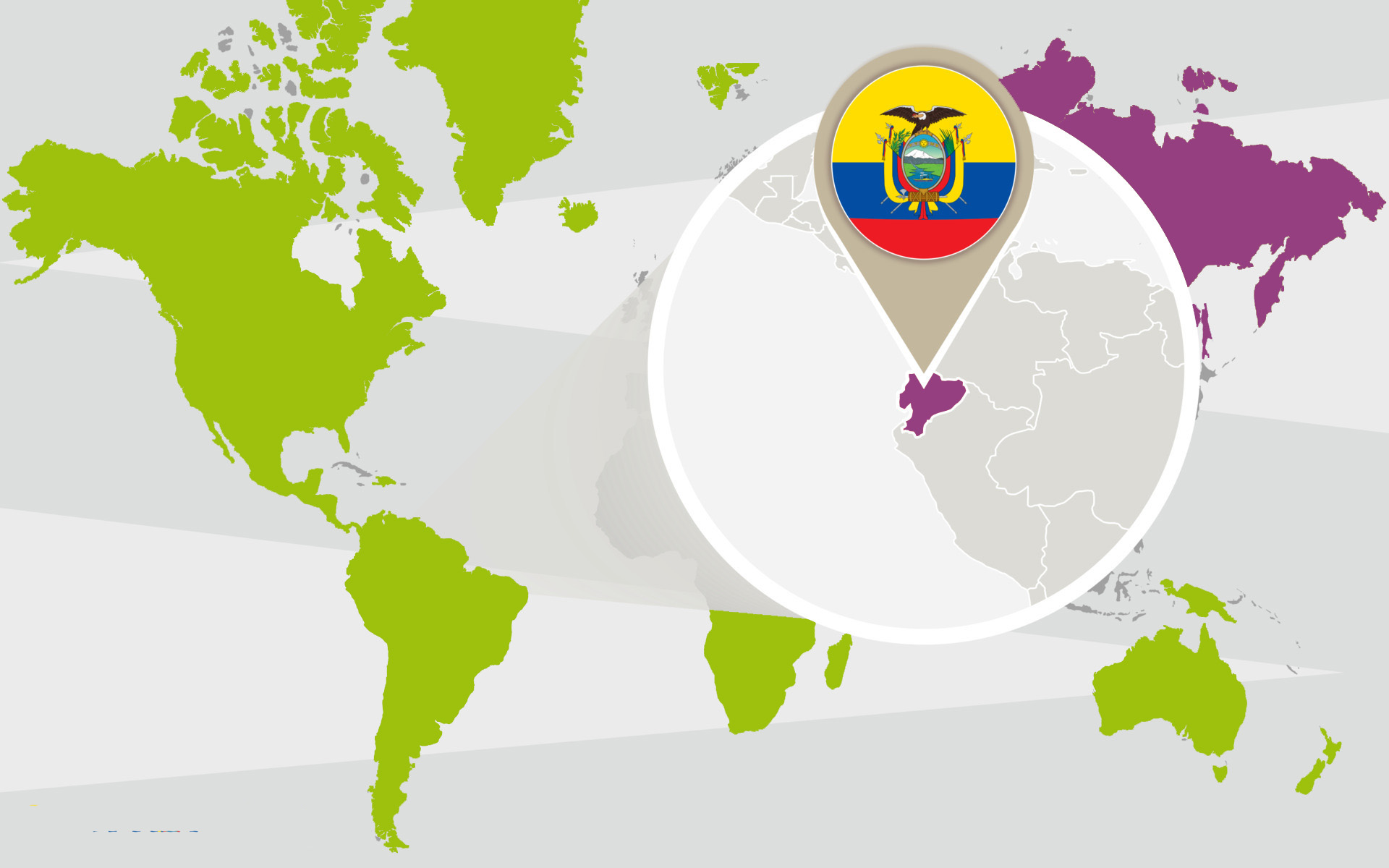

Russia

Uzbekistan

Kyrgyzstan

Kazakhstan

Tajikistan

Guatemala

Georgia

Canada

United States


