

Are Ecuadorian roses toxic?
A recurring concern about Ecuadorian roses is whether crop-protection products used during cultivation make the finished cut flowers hazardous. Professional buyers should separate a flower’s country of origin from the actual farm practices, residue requirements, documentation, and intended use.
Here is a practical way to assess the question.
Where does the concern come from?
Commercial rose farms, in Ecuador and elsewhere, may use crop-protection products to manage pests and disease. The products, application rules, worker protections, and verification programs vary by farm and market.
That fact can lead to an overbroad claim that all imported roses are unsafe.
A meaningful assessment requires evidence about the specific grower, lot, applicable rules, and intended use.
Documents and responsible handling matter more than a country-of-origin generalization.
Are Ecuadorian roses suitable for decorative use?
They are widely traded as ornamental cut flowers, but a phytosanitary inspection is not a general human-safety or pesticide-residue certificate. Buyers should request the documents required for their destination and customer program.
Crop-protection and residue rules differ by jurisdiction and certification scheme. Do not assume that a generic reference to ‘international standards’ verifies a particular farm or lot.
For ordinary floral use, apply the supplier’s handling guidance and your workplace hygiene and safety procedures:
- Display flowers in appropriate household or commercial settings, away from food-preparation surfaces.
- Use them in bouquets and designs with clean tools and suitable handling practices.
- Keep thorns, treatments, and individual sensitivities in mind when flowers are handled by children or other vulnerable people.
- Do not make claims about airborne emissions or health effects without product-specific evidence.
People can still experience skin irritation, allergies, or exposure to residues, so a zero-risk promise would be inappropriate.
What determines vase life?
A long-lasting lot is sometimes attributed to unspecified ‘chemical treatment,’ but that explanation is too simple.
Vase life reflects several interacting factors, not one origin story.
Cultivar, farm conditions, harvest stage, hydration, sanitation, temperature, transit time, and care can all influence:
- Petal structure and condition.
- Stem strength.
- Stored water and carbohydrate status at harvest.
- Postharvest performance under the receiver’s conditions.
Compare vase-life trials by cultivar and protocol rather than assuming that every Ecuadorian rose lasts longer.
Are there restrictions?
Ornamental cut roses are not intended for eating unless they were specifically grown and certified for food use.
For cakes, drinks, or other food contact, use only edible flowers supplied for that purpose and compliant with local requirements.
For decorative use, follow supplier instructions, workplace procedures, and any customer-specific safety requirements.
Key takeaway
The blanket claim that Ecuadorian roses are inherently toxic is not supported by origin alone. The opposite blanket claim—that every rose is completely safe—is also too broad. Verify the farm, documents, intended use, and applicable regulations.
Buy roses against a clear quality and compliance specification, and avoid turning bloom size or vase life into a safety claim.
At Ecualand, we source from partner farms and can coordinate the available shipment documentation. Buyers remain responsible for confirming destination-specific requirements and any customer compliance program.
Send us your requirements for a tailored year-round supply proposal
What clients say
Moscow Flowers
Floral studio
Distributor
KazakhstanChoose a consistent supply of premium Ecuadorian roses through farm-direct sourcing.
Shipping destinations
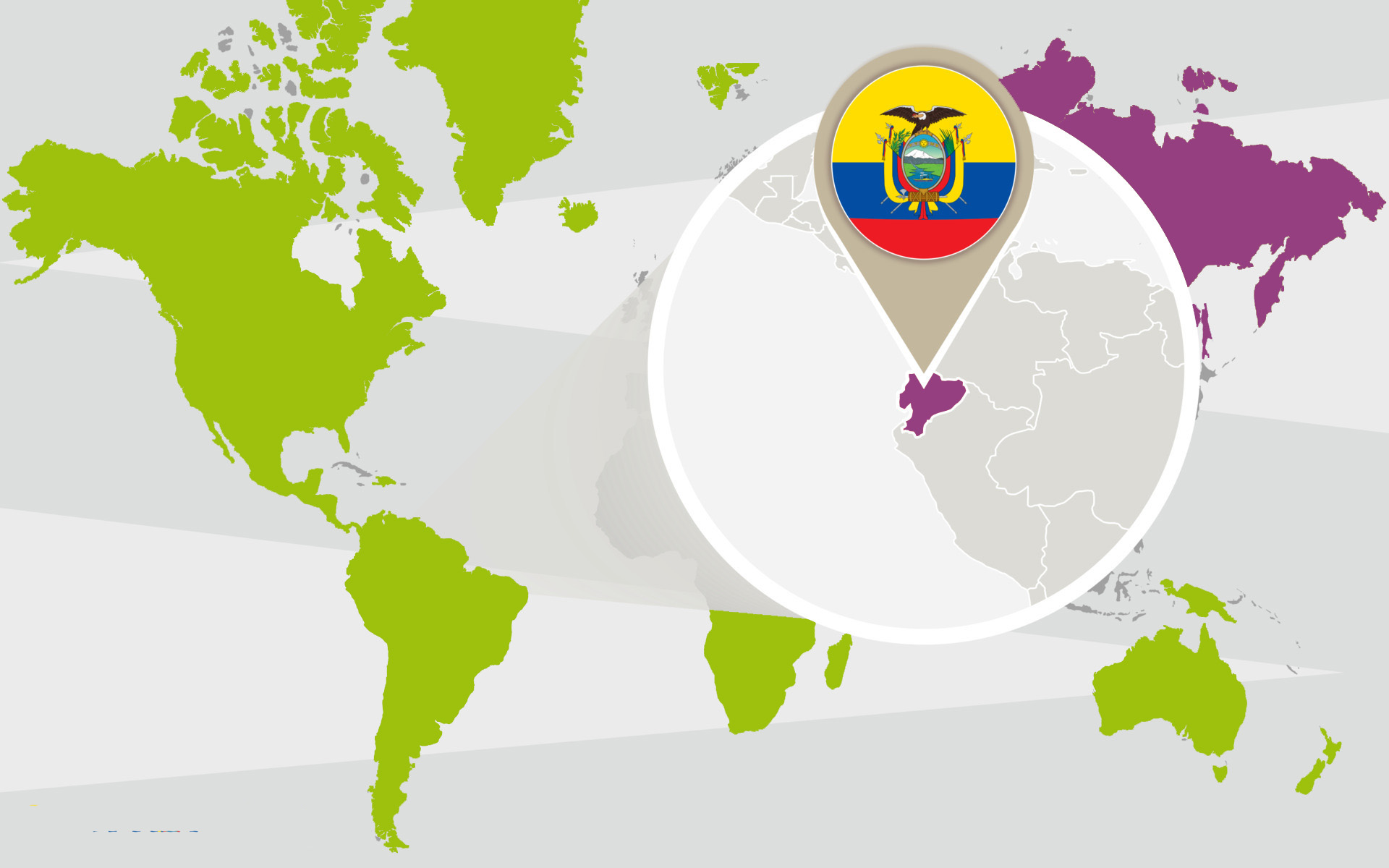
Ecualand coordinates wholesale flower sourcing and logistics for its clients.

Russia

Uzbekistan

Kyrgyzstan

Kazakhstan

Tajikistan

Guatemala

Georgia

Canada

United States


