


How do Ecuadorian flowers maintain quality in transit?
Ecuadorian flowers are shipped over long distances to markets including Russia, Kazakhstan, Uzbekistan, and European destinations. Their condition on arrival depends on the cultivar, harvest stage, elapsed time, route, temperature history, and handling at every transfer point.
Growing conditions matter, but a carefully managed postharvest and logistics process is just as important.
The journey begins at the farm
Quality protection starts well before the boxes reach the aircraft.
Professional flower farms typically manage:
- The specified harvest time and cut stage.
- Bloom maturity for the route and intended use.
- Sorting by grade and specification.
- Farm sanitation and crop-protection protocols.
- Prompt removal of field heat after harvest.
Each step can affect how the flowers perform during and after transit.
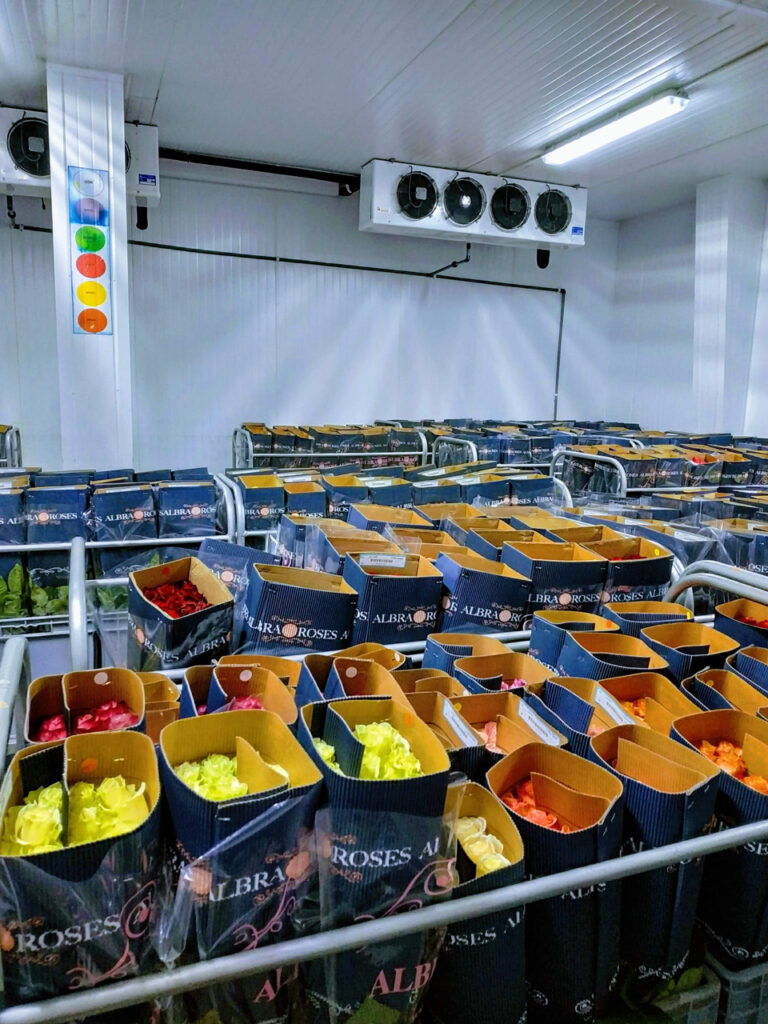
Airfreight, road transport, and handling points all affect the route.
Precooling is a key postharvest step
After harvest, flowers are moved into temperature-controlled postharvest areas according to the farm protocol.
This initial removal of field heat is commonly called precooling.
The objective is to lower product temperature promptly and slow deterioration before packing and dispatch.
When correctly specified and monitored, this process can:
- Reduce avoidable moisture loss.
- Help limit microbial growth alongside good sanitation.
- Support petal condition.
- Improve the flower’s chance of performing well after arrival.
The appropriate temperature range and timing depend on the flower type, cultivar, packaging, and route.
Packing for international flower logistics
After grading and conditioning, flowers are packed to the order specification.
Transport packaging is designed to:
- Reduce mechanical damage to blooms and stems.
- Keep bunches secured inside the box.
- Support the specified handling environment.
- Limit exposure during transfers and airfreight handling.
The correct box, sleeve, bunch, and protection method vary by species, cultivar, grade, and route.
Maintaining the cold chain
A controlled cold chain is central to international cut-flower logistics.
Temperature and dwell time should be managed and documented at the relevant stages:
- At the farm after harvest.
- During grading, conditioning, and packing.
- During transfer to the airport.
- During airfreight and ground handling.
- At transit and destination warehouses.
- During release and delivery to the importer.
Consistent temperature control helps reduce deterioration, but it does not remove the need for a documented receiving inspection.
Why is airfreight commonly used?
Fresh-cut flowers are perishable and time-sensitive.
Airfreight is therefore used for many export shipments from Ecuador, subject to route and cargo availability.
Compared with slower modes on the same long-distance lane, airfreight can:
- Reduce total transit time.
- Limit avoidable quality loss when handling is controlled.
- Support time-sensitive seasonal programs.
- Enable recurring shipping schedules where capacity is available.
Actual time from harvest to delivery varies by flight schedule, transfers, customs clearance, and final-mile arrangements.

What else affects transport performance?
Alongside logistics, cultivar and farm specification influence how a flower handles transit. Buyers may compare:
- Petal structure and condition.
- Stem strength appropriate to the grade.
- Bloom size and opening stage.
- Hydration and postharvest treatment records where available.
Some Ecuadorian rose, hydrangea, gypsophila, and other flower programs are designed for export, but performance should be assessed by cultivar, lot, route, and receiving protocol rather than origin alone.
The importer’s and supplier’s roles
Even a well-packed flower shipment requires prompt, correct handling after arrival.
A documented supply-chain plan should cover:
- Storage and handling responsibilities.
- The agreed temperature range and monitoring method.
- Prompt receiving, inspection, and order processing.
- Minimal avoidable dwell time before onward delivery.
Arrival quality depends on every participant in the chain, including handlers, forwarders, brokers, importers, and receivers.
Key takeaway
Flower quality after transit reflects a complete system: the correct harvest stage, prompt precooling, suitable packing, a managed cold chain, route planning, and disciplined receiving. Each order needs a route-specific plan.
Ecuadorian flowers are widely used in international trade, but no origin removes the need for specifications and inspection.
At Ecualand we coordinate farm sourcing, pre-shipment checks, and logistics with the relevant partners. We can provide a route-specific proposal for importers, florists, and wholesale buyers, subject to confirmed responsibilities and availability. 🌹✈️📦
Send us your requirements for a tailored year-round supply proposal
What clients say

Moscow Flowers
Floral studio
Distributor
KazakhstanChoose a consistent supply of premium Ecuadorian roses through farm-direct sourcing.
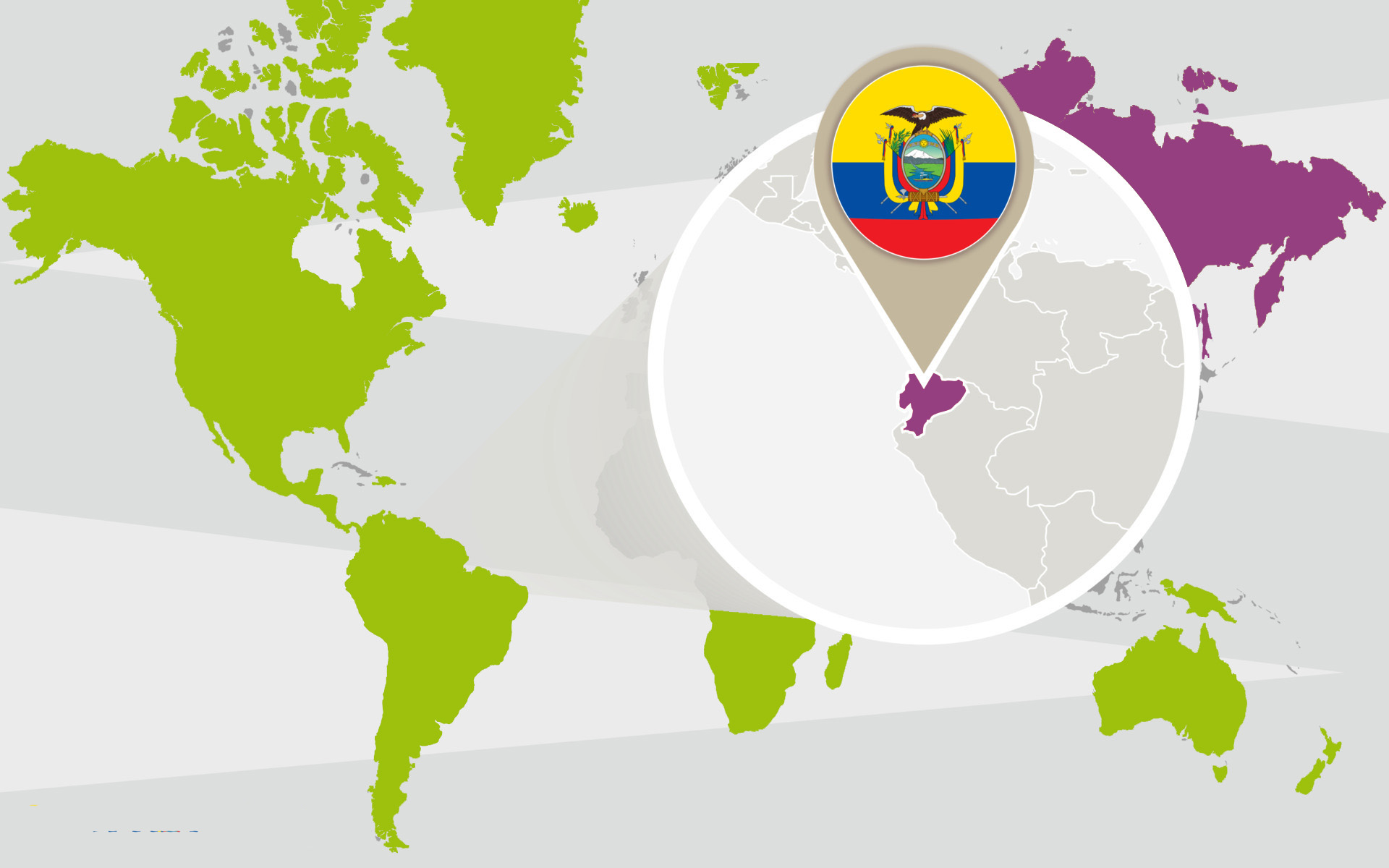
Shipping destinations
Ecualand coordinates wholesale flower sourcing and logistics for its clients.

Russia

Uzbekistan

Kyrgyzstan

Kazakhstan

Tajikistan

Guatemala

Georgia

Canada

United States


