


Premium Ecuadorian roses for your business
For wholesale buyers serving markets where International Women’s Day (March 8) is a major flower occasion, the season is a large logistics program. Success depends on a route-specific arrival plan, confirmed quantities, and time for receiving and distribution. Advance planning reduces exposure to spot-market shortages and price changes, but no partner can guarantee the commercial result.

Here is how the process supports seasonal purchasing.
- Plan a broad but evidence-based selection
March 8 customers may look beyond classic red roses, and color preferences change by market and year.
- More than red: Hot pink, yellow, coral, orange, and lavender can all play a role. Validate the proposed palette with local preorders and retailer feedback rather than assuming that every color is growing in every market.
- Variety-led programs: Depending on farm availability, buyers can consider bicolor red-and-white or yellow-and-pink cultivars, tinted rainbow programs, and garden roses with a peony-like bloom. Cultivar names and treatments must be stated accurately.
- Bouquet components: in addition to roses, Ecualand can check availability of supporting flowers from Ecuador, including gypsophila, lisianthus (Eustoma), and alstroemeria. This can help florists source coordinated components, subject to farm minimums, packing compatibility, and the route.
We can help you build the selection using your prior sales, customer briefs, current farm availability, and local context. The goal is to balance choice with the risk of excess inventory—not to promise a higher average order value.
- Volume planning and written terms
The main seasonal risk-management tool is advance farm booking. Volumes, specifications, milestones, prices, and substitution rules should be documented as early as the market allows.
📊 Forecast volumes for peak demand
Many buyers start planning two to three months before March. Use prior sales, committed retail orders, current account changes, and market information to forecast each cultivar and grade; revisit the forecast as bookings develop.
🗓 Confirm volumes and price conditions in advance
A January or February booking may provide two useful forms of clarity, once the farm and quote are confirmed:
- A documented price basis. The accepted quote can state price, currency, unit, specification, validity, and freight scope. It may reduce exposure to later spot-market increases, but it should not promise a fixed 1.5–2× difference or immutable landed cost unless the contract truly provides that.
- Confirmed farm allocation. Requested cultivars and volumes are reserved only when the farm confirms them under the applicable terms. Weather, crop output, cargo capacity, and force-majeure provisions still need a substitution and escalation plan.
These confirmations turn the seasonal plan into a set of trackable commitments rather than assumptions.
- Quality control and packing for the agreed specification
During a peak season, quality control is a core operating requirement. Define the checks at each handoff.
✈️ Quality checks from partner farm to flight
- At the farm: inspect cultivar, grade, bloom stage and size, stem length and strength, foliage, visible defects, and packing against the written order. ‘Premium’ or ‘Grade A’ requires measurable criteria; an 80 cm minimum applies only if booked.
- Postharvest preparation: after harvest, farms hydrate and process flowers under product-specific procedures. Confirm the solution, timing, and any treatment relevant to the destination’s requirements.
- Cold-chain plan: define temperature targets and responsibility at the farm, in ground transport, at the airport, during airfreight, and at destination. Continuous control should be supported by records where agreed, not assumed from a general statement.
📦 Wholesale packing that matches the product and route
Packaging differs by flower, farm, box type, and itinerary. Confirm the materials and packing diagram before dispatch, including:
- Bloom protection: protective nets or paper collars may be used for selected products and grades; confirm whether they are included and suitable for the bloom.
- Rigid supports or trays: bunches should be secured inside the box to limit movement and stem damage, using the farm’s approved packing method.
- Moisture-management materials: paper, liners, or sleeves must suit the product and route; they do not by themselves guarantee an optimal box environment.
- Lot and consignee labeling: clear cultivar, quantity, lot, and consignee labels support traceability and faster receiving.
These controls reduce handling risk and make discrepancies easier to document, although they cannot eliminate every loss.
Preparing for International Women's Day (March 8) is a seasonal inventory and logistics program. A written plan can make it more manageable, but it cannot guarantee profit or eliminate every supply risk. Contact Ecualand to confirm the selection, route, and terms.

What clients say
Moscow Flowers
Floral studio
Distributor
KazakhstanChoose a consistent supply of premium Ecuadorian roses through farm-direct sourcing.
Shipping destinations
Ecualand coordinates wholesale flower sourcing and logistics for its clients.
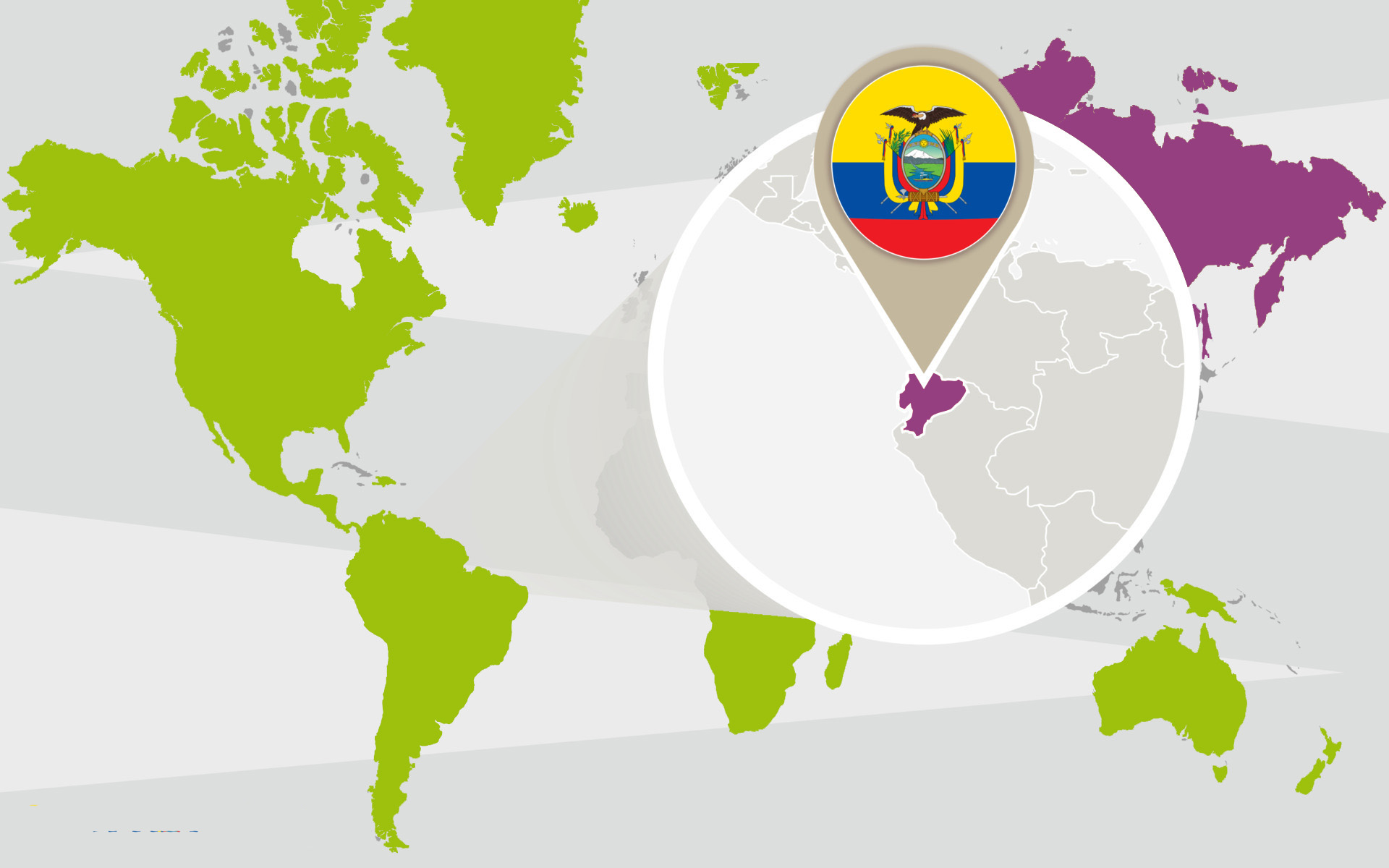

Russia

Uzbekistan

Kyrgyzstan

Kazakhstan

Tajikistan

Guatemala

Georgia

Canada

United States


