


Premium Ecuadorian roses for your business
Red roses carry strong associations with love and respect and are central to many flower programs around Valentine’s Day and International Women’s Day. Peak demand raises the cost of mistakes, so buyers should define the cultivar, grade, stem length, cut stage, quantity, pack, acceptable substitutes, and required arrival date early.
Premium red Ecuadorian roses can be a strong seasonal category when the specification matches customer demand. They do not guarantee sell-through, margin, or zero defects; those outcomes also depend on forecasting, farm performance, route, receiving, care, and retail execution.
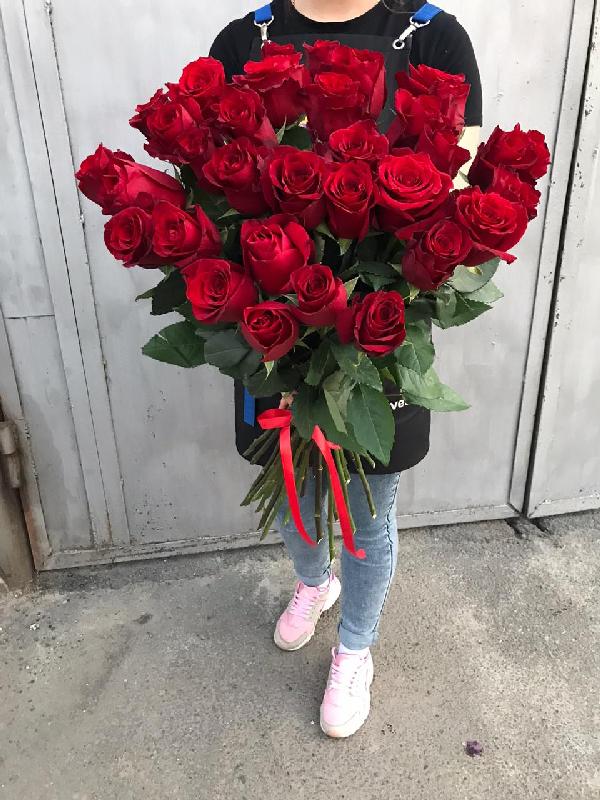
Why consider red roses from Ecuador for a peak program?
Red rose programs differ by farm and cultivar. Ecuador’s growing regions, together with breeding, farm management, grading, and postharvest handling, can support specifications valued by professional buyers:
- Postharvest performance: evaluate vase life by cultivar, harvest stage, route, temperature history, and a controlled trial—not by origin alone. No universal number applies. This matters when customers buy ahead of a holiday, so publish only performance data supported by defined test conditions.
- A clearly defined presentation: specify the red tone, bloom form, opening stage, stem strength, and grade. Current farm photos help buyers approve the lot before dispatch.
- Bloom size: request the farm’s measured or graded bloom range rather than assuming every premium Ecuadorian rose reaches one standard diameter. Bloom size varies by cultivar, cut stage, grade, and measurement method.
Our order standard: a documented specification
Each red rose order should record the agreed commercial criteria, including:
- 🌹 Stem length and grade. Select the range needed for mono-variety bouquets, mixed designs, or event work, and confirm pack tolerances.
- 🎨 Color and cultivar. Cultivars such as Freedom and Red Naomi have different red tones and opening behavior. Do not treat one description as applying to both; approve the actual variety and lot.
- 📦 Export packing. Sleeves, bloom protection, bunching, and securing methods vary by farm and box. The aim is to reduce mechanical damage, not to promise that transit risk is eliminated.
- ⏱ Vase-life evidence. For recurring programs, compare documented trials under the same receiving and care protocol. Track claims and corrective actions by farm and lot.
- 📈 Commercial planning. Forecast sales, landed cost, waste, labor, and markdown risk. A premium appearance may support positioning, but no flower specification guarantees turnover or margin.
How do we prepare for seasonal demand?
Planning for February 14 and March 8 should begin early enough to confirm the farm program, route, and contingency options.
- Advance booking. Lead times may extend to several weeks or months during peaks. The appropriate booking window is route- and farm-specific, and availability is confirmed only in writing.
- Farm-direct sourcing from partner growers. Farm-direct sourcing can improve visibility into the lot and current farm price, while logistics and other partners still remain part of the supply chain.
Check availability—ask about current red rose volumes for your shipping week and seasonal program.
Request a wholesale quote—use current variety, grade, pack, route, and landed-cost data in your purchasing model.
Build the program around confirmed specifications and trade terms, not a promised commercial result.

What clients say
Moscow Flowers
Floral studio
Distributor
KazakhstanChoose a consistent supply of premium Ecuadorian roses through farm-direct sourcing.
Shipping destinations
Ecualand coordinates wholesale flower sourcing and logistics for its clients.
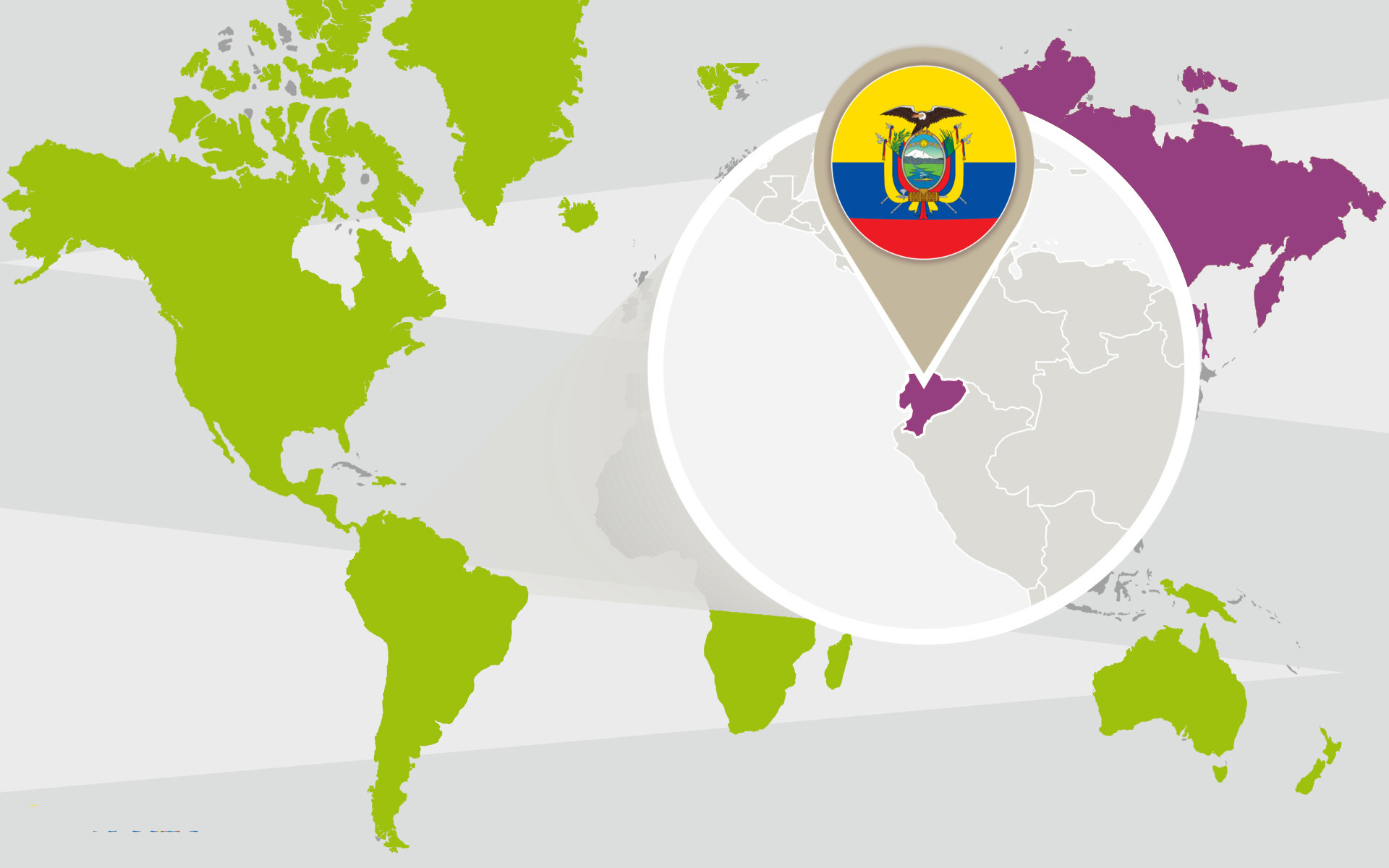

Russia

Uzbekistan

Kyrgyzstan

Kazakhstan

Tajikistan

Guatemala

Georgia

Canada

United States


