


Why professional buyers choose Ecuadorian roses
Premium Ecuadorian roses for your business
Premium roses are grown in many countries, and Ecuador is an established origin in international cut-flower trade. Buyers often associate its export programs with long-stem and large-bloom grades, but quality is not created by origin alone. It comes from the cultivar, farm, specification, crop management, postharvest process, and logistics.

Growing conditions in Ecuador
Equatorial light: a relatively consistent day length. Near the equator, day length varies less over the year than at higher latitudes. Together with farm management, this can influence color development and stem growth in particular cultivars. Artificial-light and greenhouse programs elsewhere can also produce high-quality roses, so compare the actual specification.
High-altitude growing areas. Many Ecuadorian farms operate in the Andes at substantial elevations. The exact elevation and conditions vary by farm:
Day-to-night temperature patterns: Cooler nights and warmer days can influence growth rate and flower development, but the effect depends on cultivar and crop management rather than a single claimed range of temperatures or quality. Ask the grower for product data instead of treating climate as a guarantee of stem thickness or bloom size.
Soil, substrate, and nutrition: Farms use different soils, substrates, irrigation, and nutrition programs. Their performance should be assessed through the finished product and farm records.
Commercial characteristics buyers can specify
The useful question is not whether every Ecuadorian rose is different, but which attributes the current order provides.
Bloom and stem specification. An origin cannot be identified reliably by sight alone. A buyer can request a high-centered bloom or another form, with an agreed bloom-size method and tolerance. Stem grade should state length, strength, straightness, foliage, and tolerance. Thorn density and stem dimensions vary by cultivar; long stems are not universal.
Quality control from farm to packing. There is no single national grading system that proves every shipment is premium. Each farm and order should use documented criteria:
-
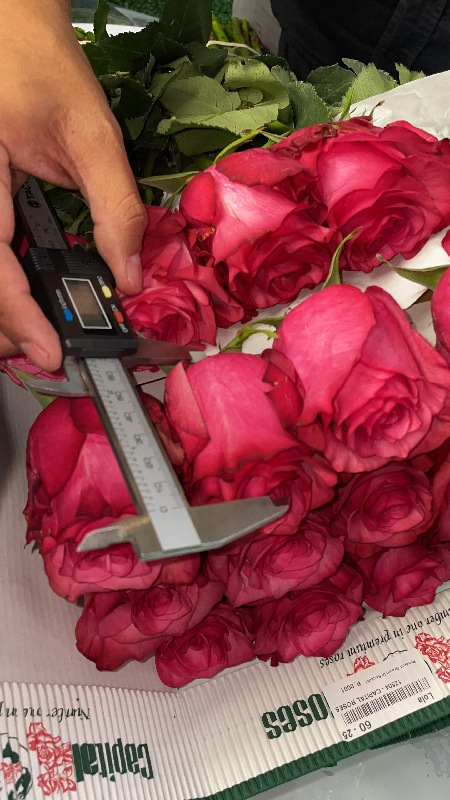
- Farm grading: Check variety, stem length, bloom stage and size, visible defects, bunch count, and pack against the purchase specification. Terms such as Premium or Grand need a defined farm standard.
- Postharvest conditioning: After harvest, farms may use hydration and sanitation protocols appropriate to the cultivar and destination. Products and procedures should comply with applicable requirements.
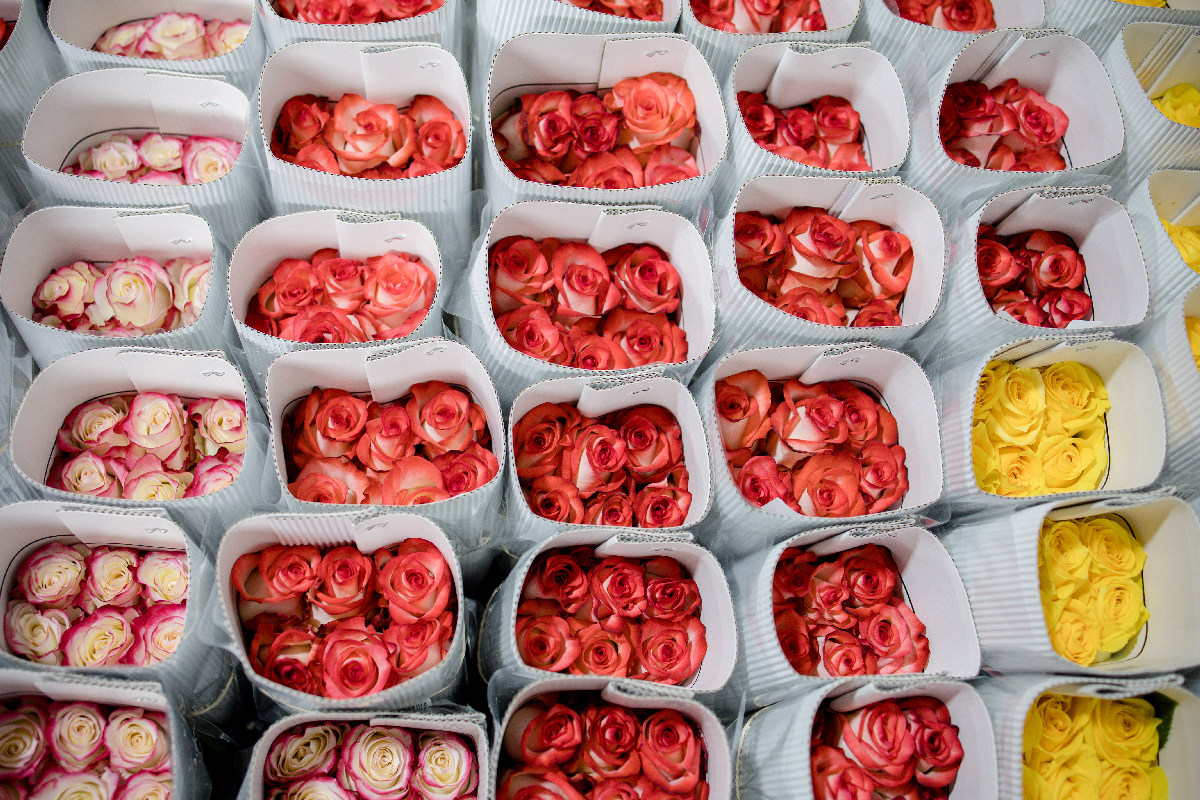
- Transport packing: Sleeves, bloom protection, bunching, and securing methods can reduce mechanical damage. They cannot guarantee perfect condition on every route.
Trade reputation and buyer verification
An established rose origin. Ecuadorian roses are used by florists, event designers, wholesalers, and retailers in many markets. Unsupported celebrity, royal, or luxury-client claims should not replace farm traceability and product evidence.
Vase-life performance. Petal structure and stem strength may contribute to performance, but vase life depends on cultivar, harvest stage, temperature history, hydration, transit, and care— not a universal day count. Buyers should use controlled trials and avoid promising customers a guaranteed lifespan without defined conditions.
Choose Ecuadorian roses when the confirmed farm, cultivar, grade, pack, route, and price fit your program.
What clients say

Moscow Flowers
Floral studio
Distributor
KazakhstanChoose a consistent supply of premium Ecuadorian roses through farm-direct sourcing.



How your order reaches you
Ecualand coordinates wholesale flower sourcing and logistics for its clients.
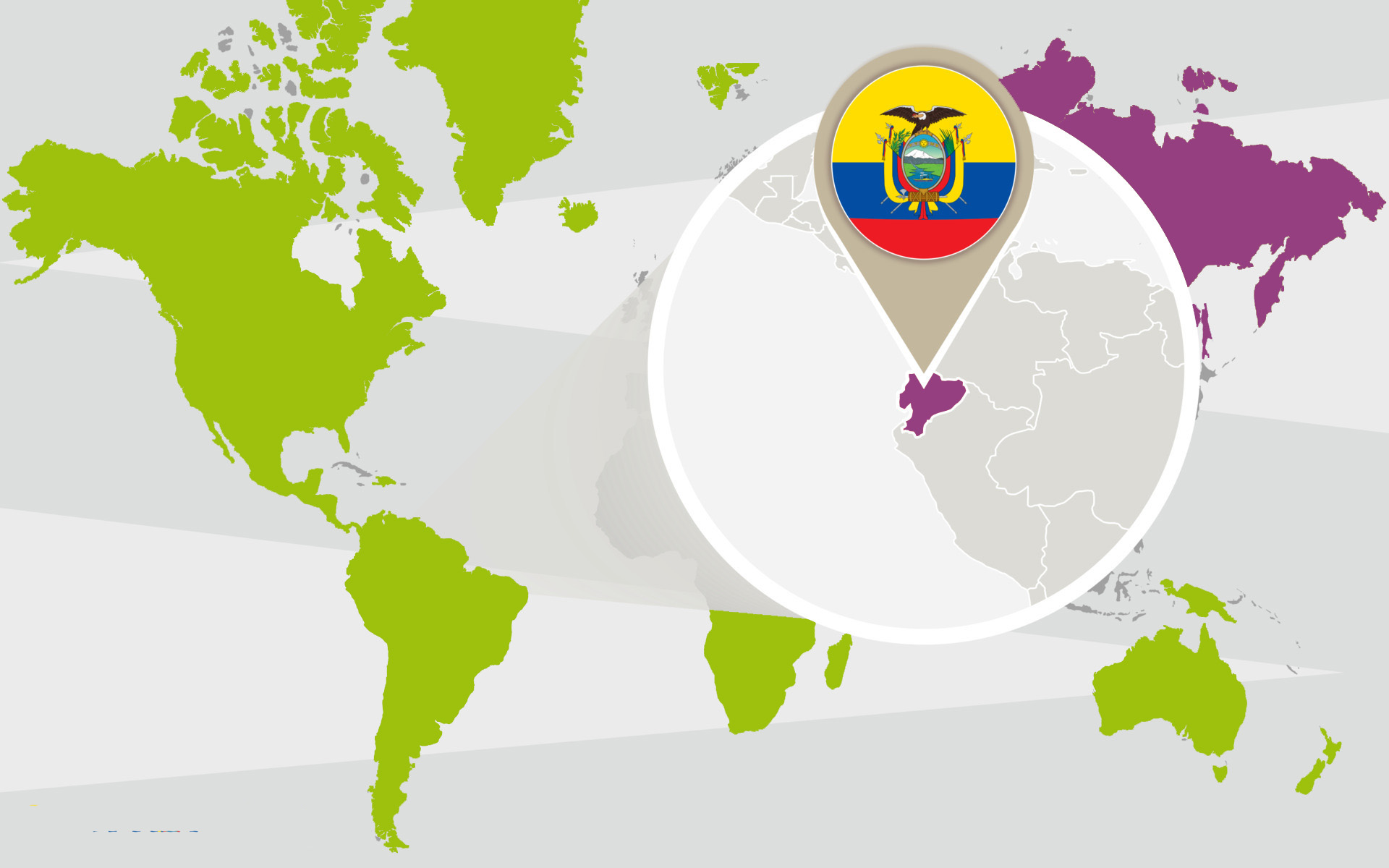
What Ecualand covers
We source from partner farms, coordinate the pre-shipment quality checks and the export documentation, and fly the order to the airport agreed with you.
What you cover
You collect the order at that airport and arrange onward transport to your own warehouse. Import clearance, duties and taxes sit with you or with the agent you appoint.
- Amsterdam: consolidated departures on Tuesday, Wednesday, Friday and Sunday. The flight is direct. Orders start at one box.
- Direct flights to other airports: from 100 kg, which is roughly four to five boxes, or 1,200 to 1,500 stems.
- Lead time: at least one week, so the prepayment clears and the airfreight space is booked. For Valentine’s Day and International Women’s Day, order from December.
- Freight: can be included when the order flies with us; otherwise the buyer arranges and pays it.
- Payment: prepayment, quoted per order in US dollars.
Tell us which airport suits you and an account manager will confirm the route, the booking window and the current price list.